

Electric vs Hydrogen Cars
Hydrogen cars are often talked about as potential rivals to electric cars, but how do they stack up against EVs, and will we all be driving them in a few years’ time?
Search for driving lessons here
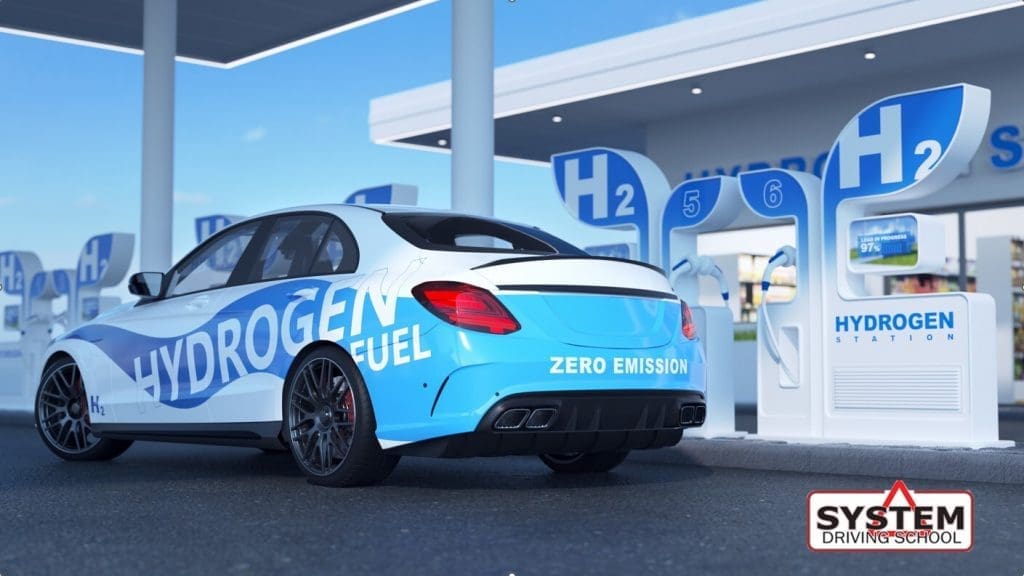
Pros and cons of hydrogen
- Electric vehicles have been criticized for their long recharging times. Like refilling a combustion engine with gasoline, Hydrogen vehicles can be refueled in a matter of minutes.
- Through their propulsion system, Hydrogen produces zero tailpipe emissions, only water vapor, and warm air.
- They are complex, and expensive to build. Rumour has it that hydrogen cars cost more to make than they are sold for.
- Producing hydrogen on an industrial scale uses large amounts of fossil fuels.
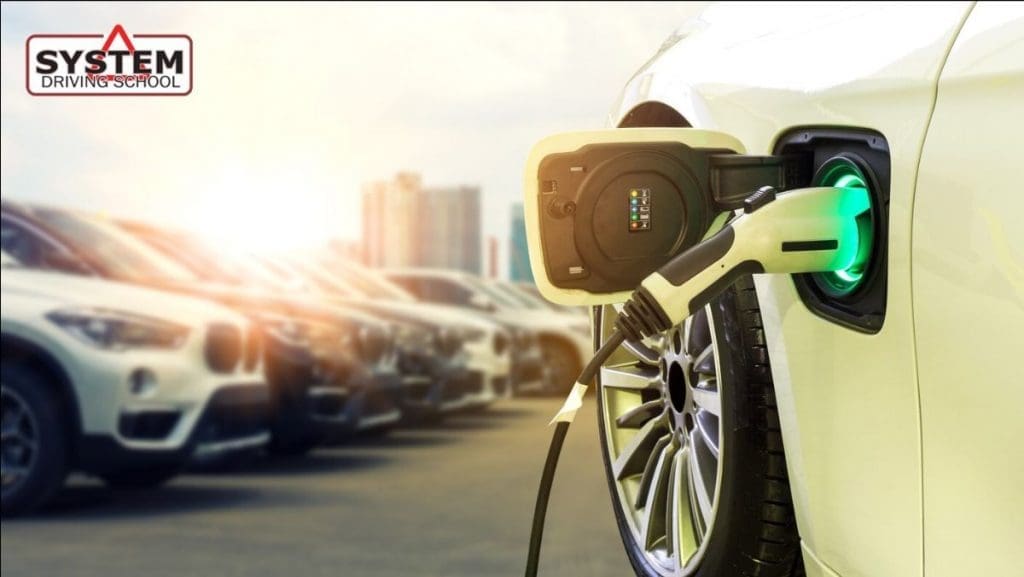
Pros and cons of electric
- An electric car is powered by a big battery and driven by an electric motor. There is no combustion engine of any kind, so there are no exhaust emissions – electric cars have done away with exhausts entirely.
- One of the biggest appeals of electric car ownership is not having to fill up with fuel. The national average price for a liter of petrol or diesel in the UK is at a record high at the time of writing.
- Charging your car is nowhere near as quick as filling it up with petrol. The time changes from car to car, and also by how powerful your charger is
- There’s no getting past the fact that electric cars are more expensive to buy than traditional petrol and diesel-powered cars.
Do Hydrogen cars have a future?
As it currently stands, Hydrogen cars’ disadvantages greatly outweigh their advantages (Quick to fuel up and impressive range), as the current price to build them and sell hydrogen is far higher than electric or even petrol/diesel engines. Whilst we may not see hydrogen cars on the road anytime soon, other transportation such as buses and planes could adopt the use of hydrogen engines as we head towards an emissions-free future.

Recent Posts