Your car’s emojis
Modern cars are filled with sensors to monitor every aspect of your vehicle’s performance. Knowing what your vehicle dashboard warning lights are may help you avoid a breakdown and prevent more severe failures in the future.

Why is it important?
It is important to understand the meaning of the dashboard lights and the severity of each one as it helps you to make sure your vehicle is safe to drive and is functioning properly. This also means you can help maintain your car and prevent any future damage.
The colours and what they mean
The car warning lights on your dashboard follow a traffic light colour system:
Green/Blue: The system is working correctly or is currently in use.
Amber: Something is not working correctly – take extra care and check it out as soon as possible.
Red: Serious or potentially dangerous problem – stop driving as soon as it is safe to do so.
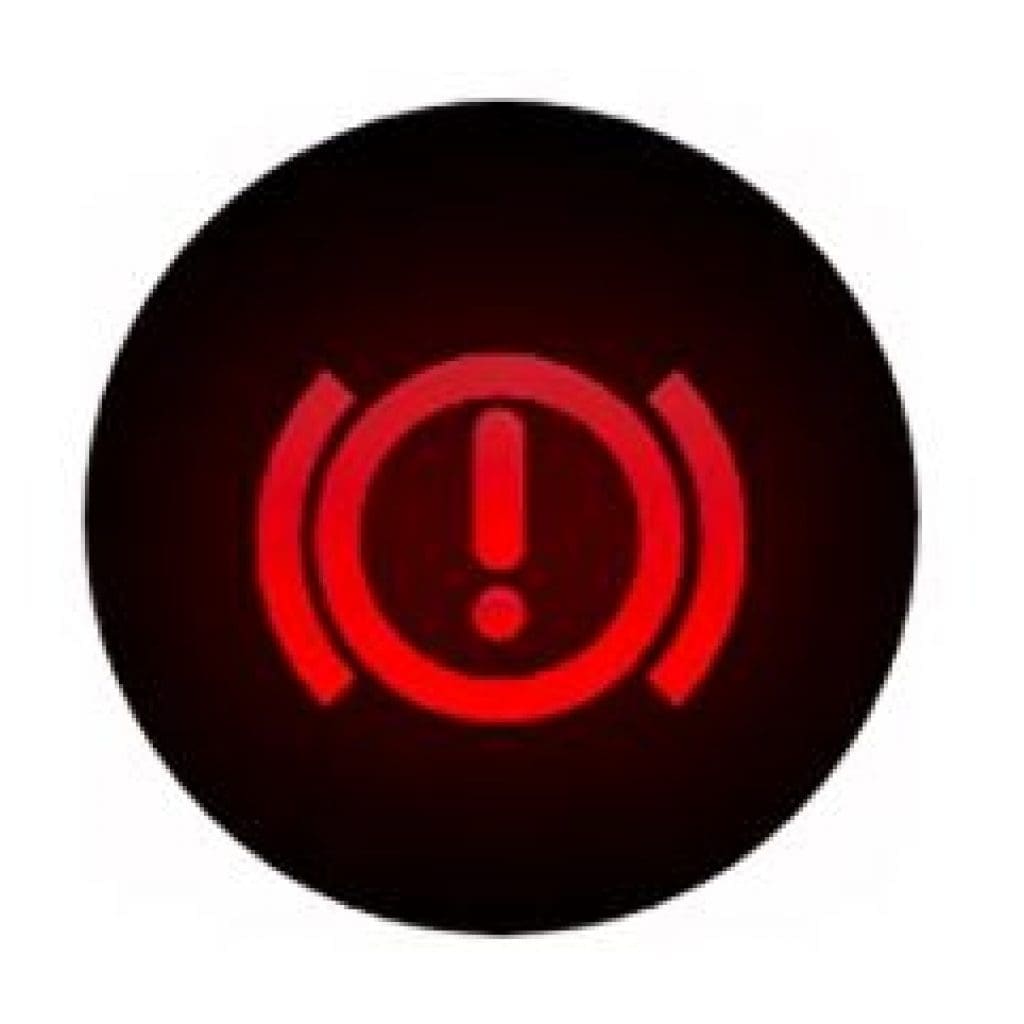
brake warning lights
What does this mean?
This light may indicate that the brake fluid level is low.
If the ABS warning light is illuminated the braking system may have malfunctioned and your brakes are not working properly.
Can I still drive?
The brakes are one of the most important safety features, so act immediately. It is best advised not to drive with an ABS warning light on and should be checked by a mechanic as soon as possible.

Engine management light
What does this mean?
The engine is not working properly. You may start to notice a loss of power, a rough-feeling engine, and a low mpg. The longer left unchecked can cause serious damage to sensors or crucial parts of the engine.
Can I still drive?
Get it checked as soon as you can, as continuing to drive can pose a further risk of potentially irreparable damage to your engine.

Airbag warning light
What does this mean?
The airbag safety system is not working correctly. This could be the airbag system itself, the front passenger occupant classification system, or the seat belt pre-tensioner system.
Can I still drive?
Get it checked immediately.
If the airbag system is not working correctly, it may not go off in a crash – or in some cases, may deploy unexpectedly.

Power steering warning light
What does this mean?
For electrically powered systems, it can be as simple to fix as rebooting a computer.
Find a safe place to stop, then try turning your vehicle off and on again or disconnect your battery and reconnect it.
If the light stays on you should take your vehicle to get checked as soon as possible.
Can I still drive?
If the power steering system fails, you will notice it is significantly harder to maneuver and you should take extra care – get it checked as soon as possible.

Engine temperature warning light
What does this mean?
This light will come on when the engine is overheating. This could mean that coolant levels are running low, possibly due to a leak in the system, or it could be a sign of a larger problem, like a head gasket failure.
Can I still drive?
Stop immediately and turn off the engine. Look for any oil leaks, check the levels, and top up if necessary.
If the levels are fine, then the pump may be faulty. In this case call for recovery, to avoid potential engine damage.

Oil warning light
What does this mean?
The temperature is either too hot or the level or pressure is too low – This could lead to expensive or even irreparable engine damage.
Can I still drive?
If red, stop immediately – overheating engines can suffer irreparable damage.
Check the coolant level and top up if required. If the light remains on, get your vehicle checked as soon as possible.

Electronic Stability Problem (ESP) Warning Light
What does this mean?
Also called Electronic Stability Control (ESC), this warning light indicates a problem with the traction control system.
If flashing this means the system is intervening – for example, if you’re driving on a slippery road.
Can I still drive?
If the light has the word ‘OFF’ – The system has been deactivated – you may have accidentally turned it off.
Stop and restart the vehicle. If the light remains on, get it checked.

Low tyre pressure warning light
What does this mean?
Modern vehicles are fitted with tyre pressure monitoring systems that alert you when the pressure falls below a set value.
Can I still drive?
Take extra care and top up with air at the next opportunity, and check the tyre for any damage.
Reduce your speed and try to avoid braking suddenly or making any violent steering manoeuvres.