
Toyota avoids electric cars, opting instead for a new generation of combustion engines.
Toyota plans to develop a new generation of petrol-fueled internal combustion engines, marking the carmaker’s latest commitment to alternatives to electric vehicles. This move highlights Toyota’s continued investment in traditional engine technology despite the growing trend towards electrification in the automotive industry.
What are they developing?
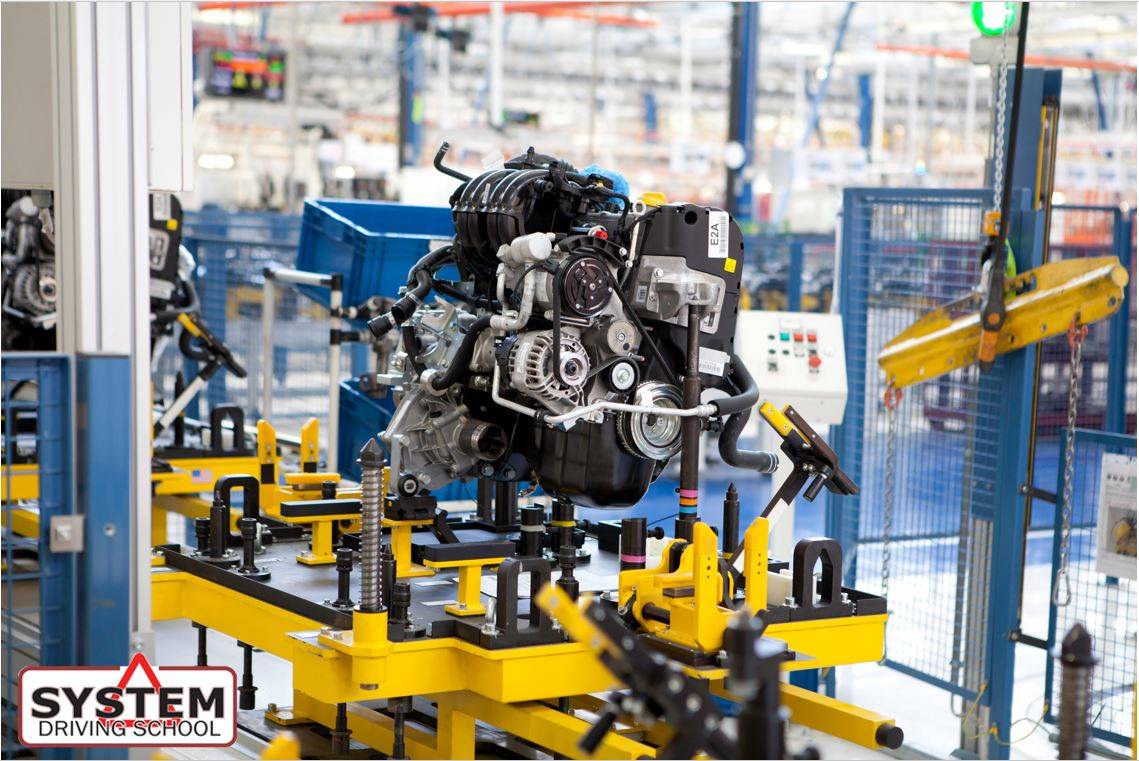
| Toyota, the world’s largest automobile manufacturer, is placing its bets on the future of transportation by developing new versatile internal combustion engines (ICEs). These engines, designed to meet stricter emissions standards, are capable of powering a range of vehicles, from hybrids to those running on biofuel. At a media event on Tuesday, Toyota, along with its partners Subaru and Mazda Motor, unveiled their forthcoming 1.5-liter and 2.0-liter engines. These engines feature significantly reduced volume and height compared to their existing models, marking a significant advancement in automotive engineering. |
Why is this important?
| The Toyota group’s strategy sharply contrasts with other automakers that are shifting towards fully electric vehicles (EVs). Toyota stated, “With these engines, each of the three companies will strive to optimize integration with motors, batteries, and other electric drive components.” The next generation of engines will be essential in the quest for carbon neutrality. Subaru, Toyota, and Mazda are focused on enhancing engine performance and optimizing integration with electric drive units, utilizing their combined strengths. The companies state that these highly efficient and powerful engines will also be more compact, enabling lower hoods, improved design, and better aerodynamics, which will ultimately enhance fuel efficiency. |
Read the full article here
Download our new app


Search for driving lessons here

Recent Posts