
Find out how to make your journeys as smooth and safe as possible when the temperatures drop
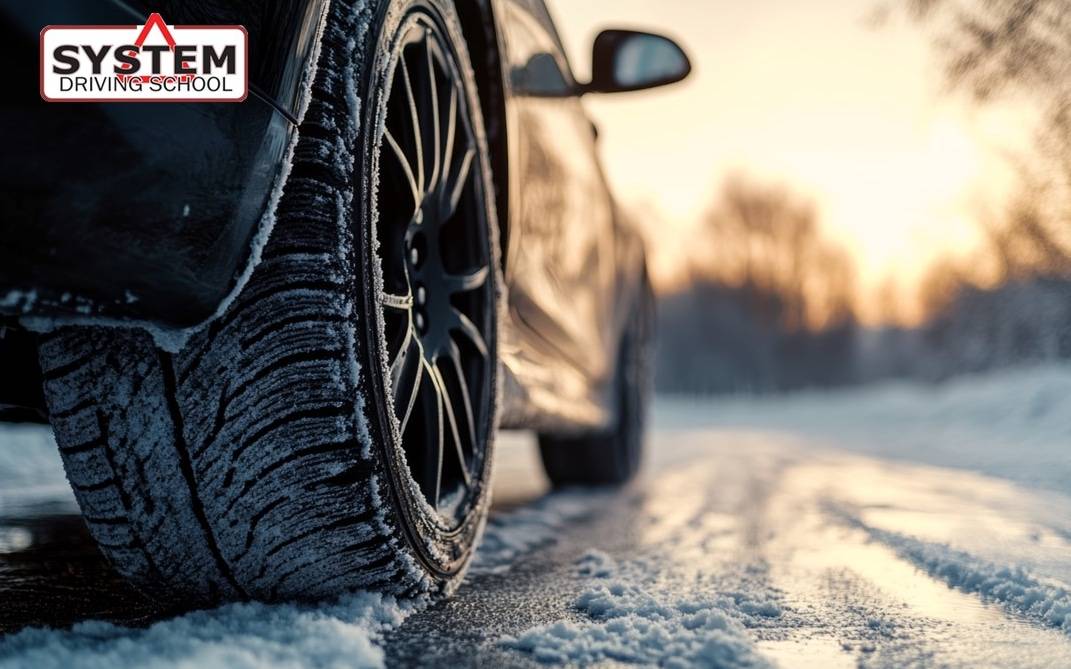
1. Plan Your Route
- Research your destination and identify the best route. If you’re unfamiliar with the area, use navigation tools or a map.
- Plan for rest stops and service areas, especially on long journeys. Check if these are open or if there are any closures.
2. Check the Availability of Service Areas Along Your Route
- Make sure you know where rest areas, gas stations, and food options are available. This can help you plan your breaks and refueling stops.
3. Know How to Operate Your Vehicle’s Headlights and Fog Lights
- Familiarize yourself with how to use the vehicle’s lights, especially if you’ll be driving in low visibility conditions like fog or at night.
4. Check Your Vehicle
- Tires: Ensure your tires are in good condition and are properly inflated.
- Oil and Fluids: Top up or change any essential fluids, including windshield wiper fluid.
- Battery: Check your battery health, especially if it’s cold.
- Brakes: Inspect the brakes for any signs of wear.
5. Pack a Winter Kit
- Include essentials like:
- Warm blankets
- A flashlight and extra batteries
- First-aid kit
- Non-perishable snacks and water
- Ice scraper and de-icer
- Jumper cables
- Shovel or sand for traction if you get stuck in snow or ice
6. Check the Weather Forecast
- Before setting off, check the weather conditions, especially if snow, ice, or storms are expected. If dangerous conditions are predicted, consider delaying or rerouting your journey.
7. Check Traffic Conditions
Look for real-time traffic updates on websites or social media, such as Twitter, to avoid delays or accidents along your route.
Read the full article here
Download our new app


Search for driving lessons here

Recent Posts