Looking ahead
Looking Ahead
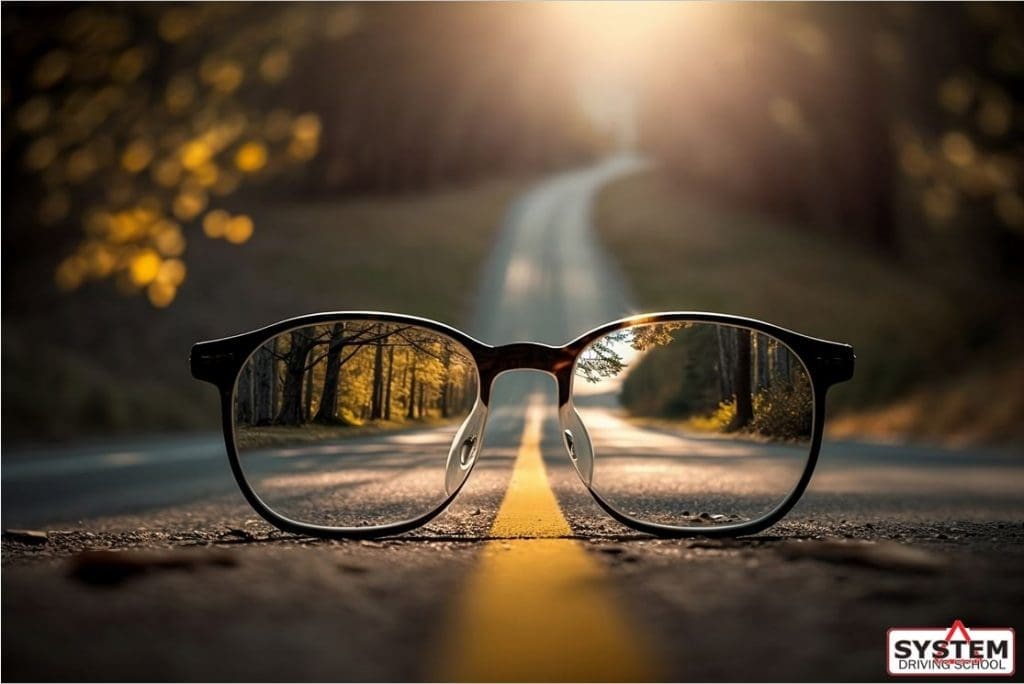
Maintaining our vision is crucial for road safety, as our eyes play a crucial role. While our eyesight is typically assessed solely during the driving test, it is our responsibility to prioritize the care of our vision.
What are the indicators of deteriorating eyesight?
Similar to other parts of your body, your eyes are susceptible to the effects of aging and may experience wear and tear. Common signs of deteriorating eyesight include difficulties with night-time vision, double vision, headaches, and eye strain. This is why meeting the legal eyesight requirements for driving is of utmost importance.
What are the risks of driving with impaired vision.
Insufficient vision can result in the potential failure to detect hazards promptly, leading to delayed reactions. Adequate vision enables the ability to read signs indicating diversions and warnings. Driving with impaired vision may result in crucial information being overlooked. Even highly skilled drivers may experience eye strain while driving at night. Therefore, individuals with pre-existing poor vision are particularly vulnerable, especially during the transition from dusk to night-time.
Getting your eyes checked
Given that changes in vision can occur gradually, it is crucial to undergo eye examinations at least once every two years, or promptly if you observe any issues. If you encounter any eye-related problems beyond being nearsighted, farsighted, or colorblind, it is imperative to notify the DVLA (Driver and Vehicle Licensing Agency).
Download our new app